Bulk Payout Reconciliation: One Ledger for Every Payment
Key highlights
- Bulk payout reconciliation matches every line of a payout run to the invoice, payee and ledger entry it settles.
- One funding debit covers hundreds of payees. The bank statement shows one figure; the books need one entry per payee.
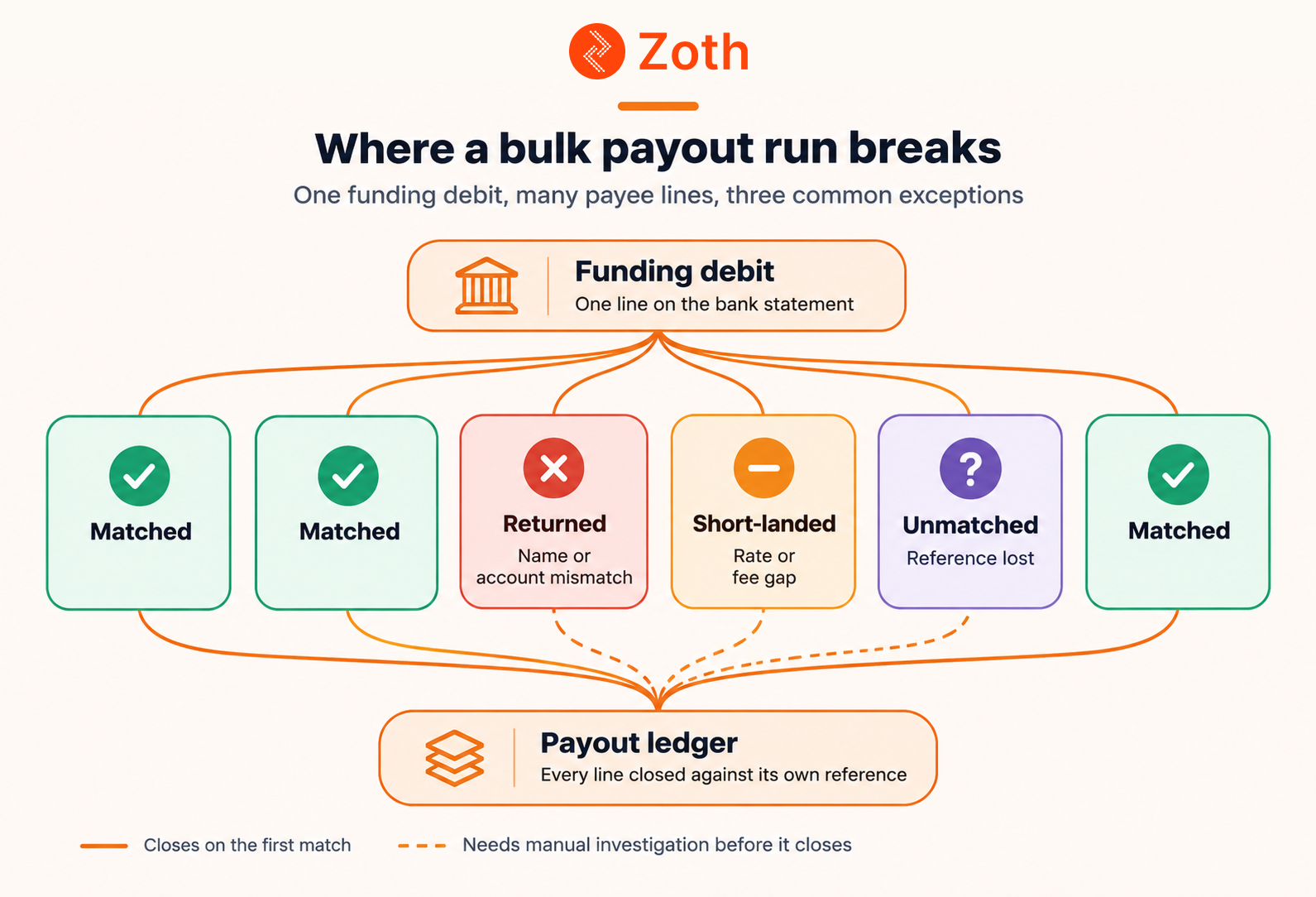
- Returns, short-landed amounts and lost references cause most breaks in mass payouts.
- More than half of creditor addresses in Swift cross-border payment messages are still unstructured, a common source of exceptions.
- A Head of Payments can value better bulk payout reconciliation on four lines: hours, exceptions, FX variance and audit preparation.
A platform paying 600 contractors on the last working day of the month approves one run and sees one debit. Finance then has to show where each of the 600 payments went, at what rate, and whether it arrived. That second job often takes longer than the first.
Bulk payout reconciliation is the process of matching each line of a bulk payout run to the invoice, payee record and ledger entry it settles, and confirming the amount each recipient received.
Mass payouts are payments to many recipients submitted as one batch, by file upload or through an API, usually on a fixed cycle such as payroll, seller settlements or commissions.
A payout ledger is the record of every payment in a run: who was paid, how much was sent, at what rate, what landed and when. It records payments; it does not hold a balance.
This guide covers why runs break, what each payout record needs and how a Head of Payments and a CFO measure the return.
Why bulk payout reconciliation breaks at volume
A single cross-border payment is matched once. A payout run multiplies every source of mismatch by the number of payees.
One debit, hundreds of credits
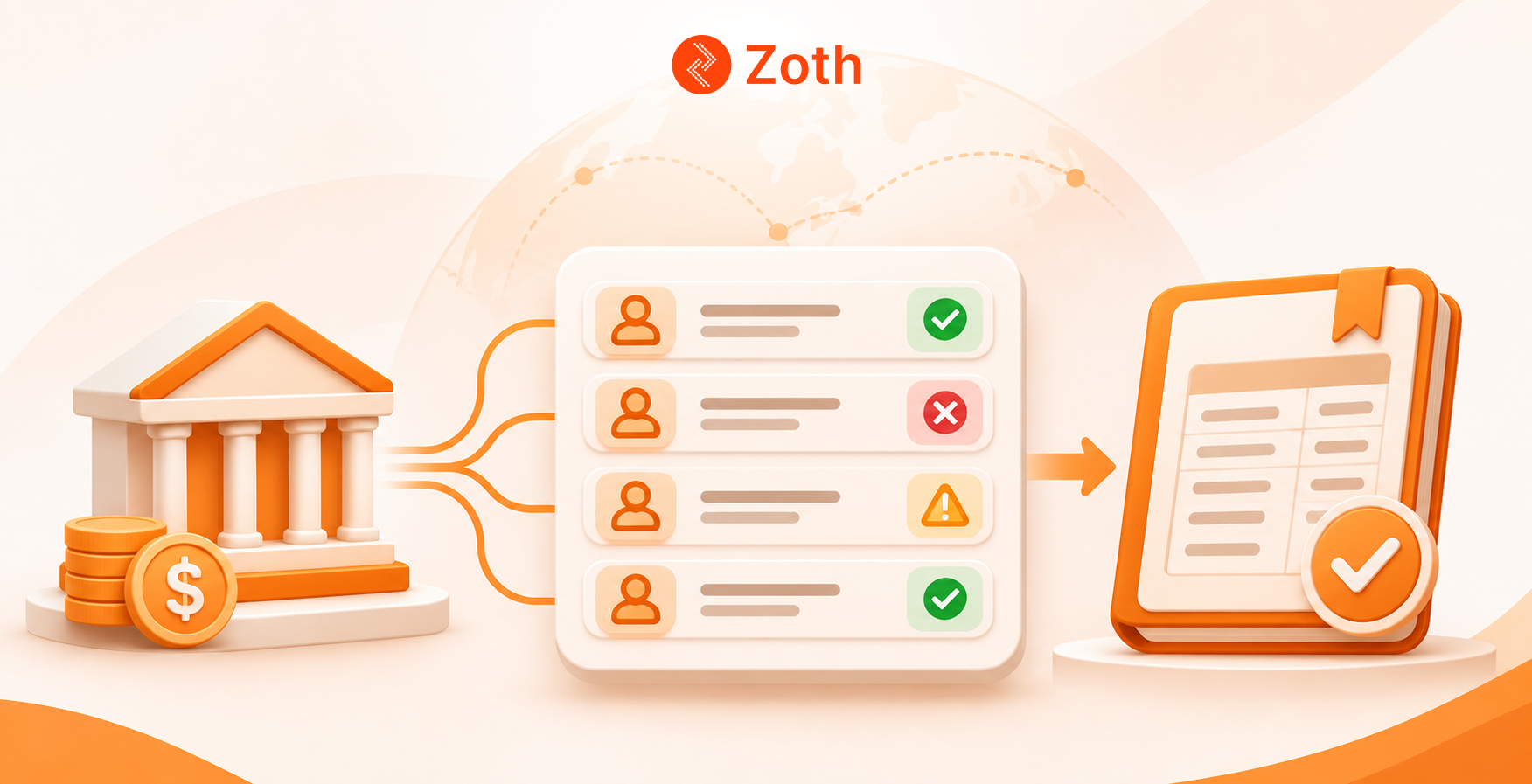
The bank statement shows the funding of the run as a single line. The ledger needs one entry per payee. Bulk payout reconciliation starts by splitting that figure back into its parts, and any line that cannot be traced holds up the close.
A different rate on every line
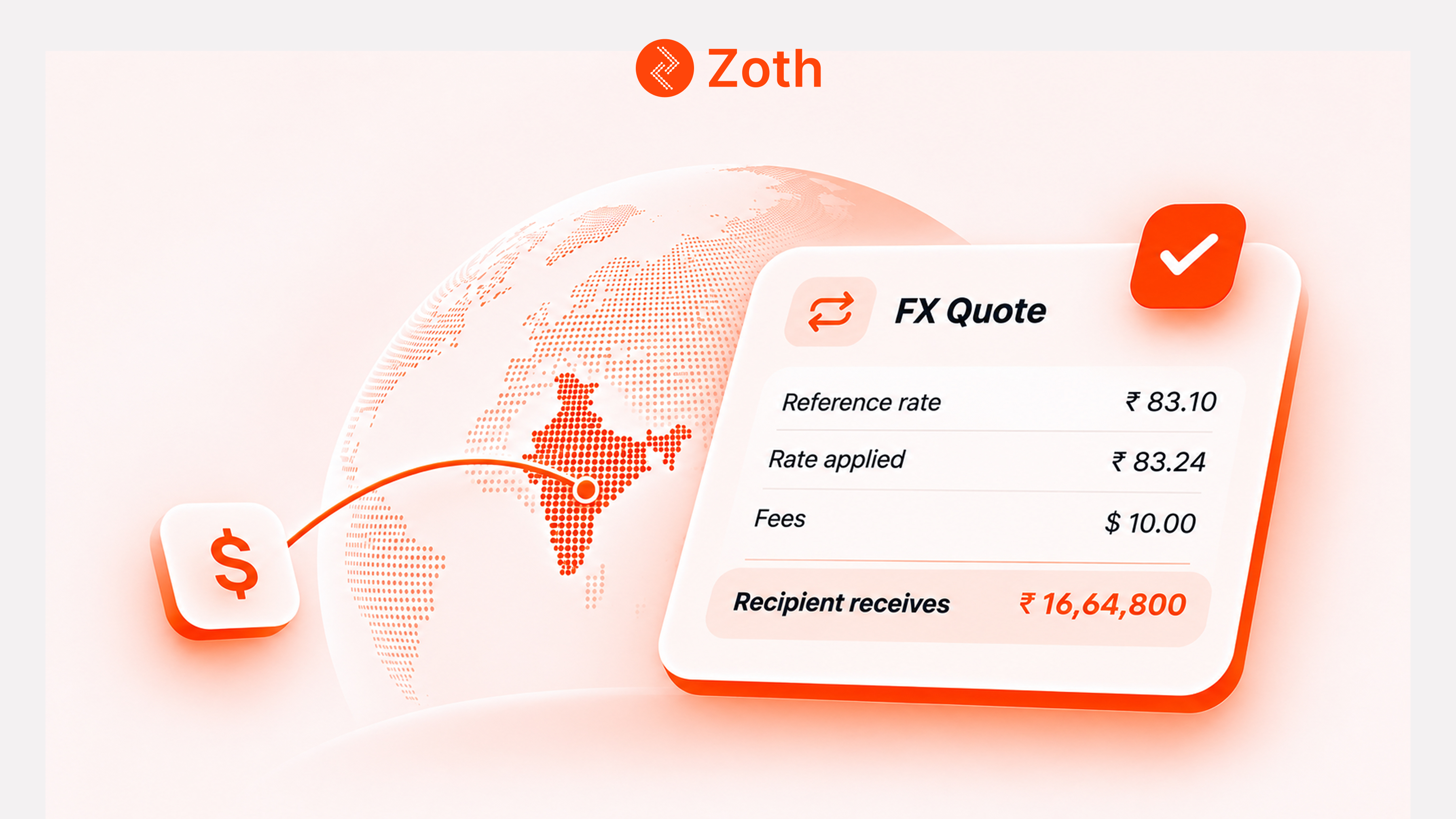
A run paying into five currencies converts at five rates, and on some routes the rate is set at conversion rather than at approval. The booked amount then differs from the paid amount, and finance explains the gap line by line.
Returns and partial failures
A bulk run rarely fails as a whole. A few lines are returned for a wrong account number or a name that does not match. The funds come back days later, often without the original reference, and someone has to match each one to the line that failed.
A name check before sending prevents many returns. In the EU, Regulation (EU) 2024/886 requires the payer's provider to verify the payee's name against the account before a euro credit transfer. Business payers may opt out when they submit payments as a bulk package, which moves the check from before the run to after it.
References that do not survive the route
Each bank in a correspondent chain can assign its own reference. Swift created the end-to-end reference so every party uses one, and says it cuts errors and reconciliation time. A bulk run needs the same discipline per line: one reference per payee, carried from upload to final credit.
Data quality compounds the problem. Swift's September 2026 figures show 52.7% of creditor addresses in cross-border payment messages still unstructured, and Swift links unstructured addresses to exceptions and investigations.
What a bulk payout reconciliation record should contain
Each line of a run needs enough data to close without a second system.
| Field | Why it matters |
|---|---|
| Run ID and line reference | Ties each payment to its run and to the internal invoice or payee ID |
| Payee and account | Confirms the right person or business was paid |
| Amount sent and currency | Matches the amount approved in the ledger |
| Rate applied and fees | Explains any gap between the booked and paid amounts |
| Amount landed | Shows what the recipient received in local currency |
| Status and date credited | Separates paid, pending and returned lines |
| Transfer identifier | Locates the payment when a payee reports nothing arrived |
Regulators set a similar bar for providers. FINTRAC's guidance requires a money services business to record the exchange rate and its source, every reference number and every transaction identifier on a virtual currency transfer of C$1,000 or more, and to keep the record for at least five years. The revised FATF Recommendation 16 standardises the payer and payee data that travels with cross-border payments.
How to run bulk payout reconciliation in five steps
- Give every line its own reference. Assign a unique ID to each payee line before upload, and require the provider to return it on every status update and export.
- Fix the rate before approval. Approve the run against a quoted rate for each currency, so the booked and paid amounts start equal.
- Validate beneficiary details first. Check account formats and names for each country before release. A line rejected before the run is a return avoided after it.
- Reconcile to landed, not sent. Close each line only when the recipient's credit is confirmed, and post returns against the original reference.
- Export one file per run. Load a single line-by-line record into the ledger or ERP, rather than rebuilding it from a bank statement, an FX confirmation and a status report.
Bulk upload or API for mass payouts
A bulk upload suits a fixed cycle, such as a monthly contractor run. An API suits a platform that pays sellers continuously from its own system. Either supports bulk payout reconciliation if each line keeps its reference from submission to final credit. Zoth's guides to seller payouts and payroll payouts cover the payee side.
An ROI framework for bulk payout reconciliation
Better bulk payout reconciliation shows up on four lines. A Head of Payments measures them per run, and a CFO annualises them.
| ROI line | How it is measured | What Zoth Payments Limited changes |
|---|---|---|
| Hours saved | Reconciliation hours per run × runs a year × hourly cost | Every payout tracked, with records exportable for reconciliation |
| Exceptions avoided | Returned or unmatched lines a year × cost to resolve each | Beneficiary records reused, validated against the payout partner's reference data and screened on every payout |
| FX variance removed | Gap between booked and paid amounts × annual payout volume | One stated rate, quoted before the payout executes |
| Audit hours saved | Hours assembling payment evidence per audit × audits a year × hourly cost | A transaction-level audit trail for every payout |
Annual return = hours saved + exceptions avoided + FX variance removed + audit hours saved
A team that spends 30 hours on each monthly run, at $60 an hour, spends $21,600 a year on bulk payout reconciliation alone.
How zPayments handles bulk payout reconciliation
Zoth Payments Limited, registered with FINTRAC as a money services business (C10001622), runs zPayments for business payouts. Payout runs go in by bulk upload or through the API, and every payment is recorded in one payout ledger. Businesses fund each payout from their own wallet, and Zoth holds no client balance. Value moves on stablecoin rails and lands in local currency through regulated payout partners in each corridor. Every payment is screened, and each payout's records export for reconciliation.
The FX variance line needs one number: the rate a run would get now. The zFX live rate calculator shows the rate and recipient amount for a chosen corridor and amount before any money moves. Comparing it with the rate the last run booked sizes that line. Start with the largest currency in the next run.
Running mass payouts across emerging markets? Audit your cross-border payout fees with an international payment specialist at Zoth Payments Limited, today.
Regulatory Disclosures & Mandatory Risk Notices
Disclaimer: This article is provided for informational and educational purposes only and does not constitute financial, legal, tax or investment advice.
Service Availability & Compliance: Zoth Payments Limited is registered with FINTRAC as a money services business. Local-currency payouts are delivered through regulated payout partners, subject to applicable local laws. All transactions remain subject to identity verification (KYC/KYB), anti-money laundering (AML) monitoring, sanctions screening and the FATF Travel Rule. Submission of a payout does not guarantee its execution or timing, and exchange rates, payout amounts, fees and settlement times may vary.
Digital Asset Risk Notice: Stablecoins and digital assets carry inherent risks, including market volatility, potential de-pegging, smart contract vulnerabilities, liquidity limitations and changing regulatory frameworks. Digital assets are not legal tender in most jurisdictions and may not be backed by government deposit insurance (e.g., FDIC, CDIC).
Frequently asked questions
What is bulk payout reconciliation?
Matching each line of a bulk payout run to the invoice, payee and ledger entry it settles, and confirming what each recipient received.
Why do mass payouts fail to reconcile?
One debit covers many payees, each currency converts at its own rate, some lines are returned, and references are lost between systems.
What should a payout record include?
A line reference, payee and account, amount sent, rate and fees, amount landed, status, date credited and a transfer identifier.
Is bulk upload or an API better for bulk payout reconciliation?
Either works if every line keeps its own reference from submission to final credit. Uploads suit fixed cycles of mass payouts; APIs suit continuous payouts.
How does a CFO measure the return on bulk payout reconciliation?
On four lines: reconciliation hours, exceptions avoided, FX variance removed and audit hours saved.