Reliable International Payments: Four Numbers to Track
Key highlights
- Reliable international payments arrive on the promised date, in the quoted amount, without being returned.
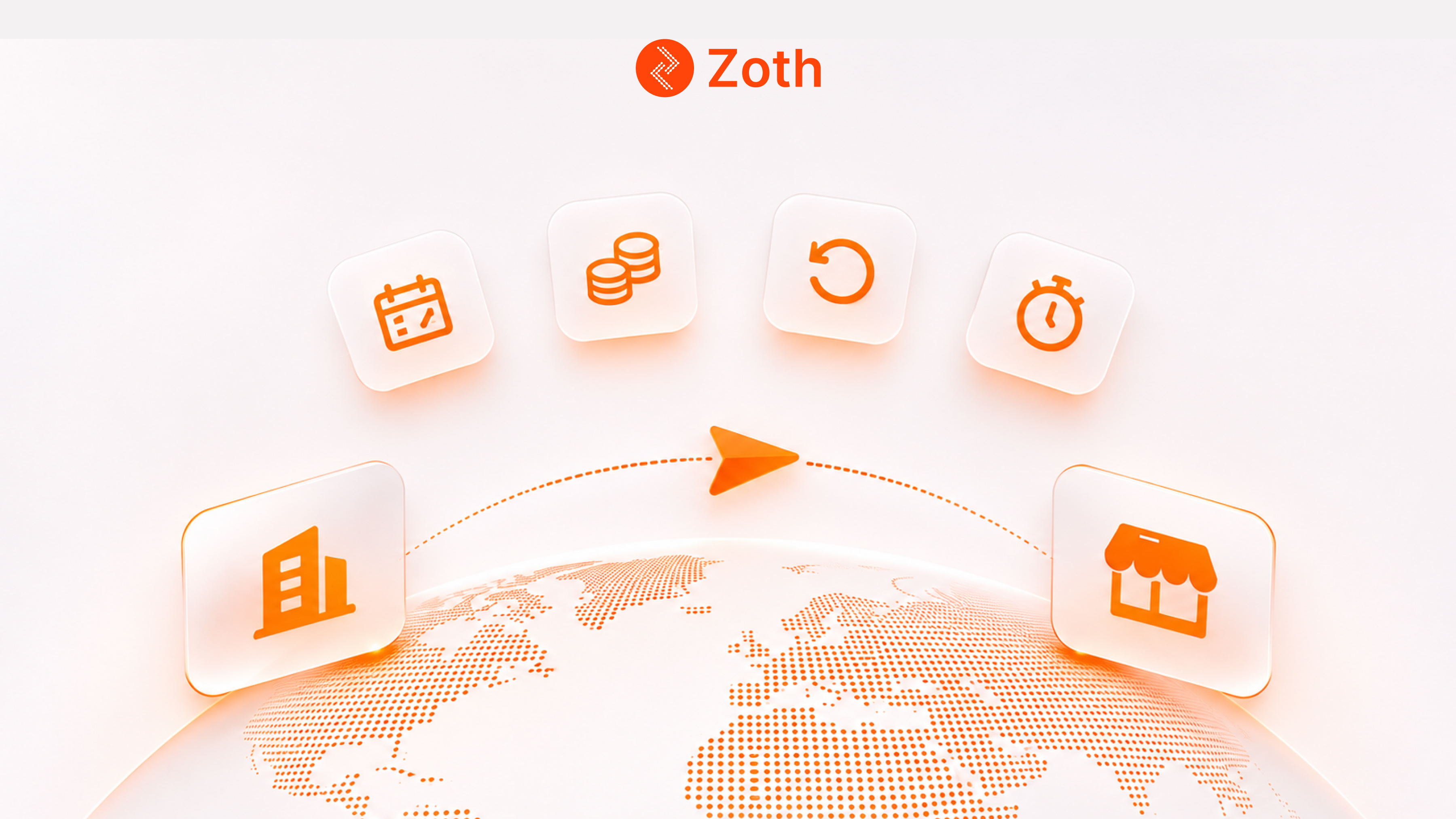
- Four numbers measure reliability: on-time rate, in-full rate, return rate and time to credit.
- In a 2022 analysis, Swift traced 72% of payment exceptions on its network to formatting errors, account issues and invalid data.
- The Financial Stability Board (FSB) cannot yet measure how well banks report payment status to payers.
- A payment success rate is one number. Reliable international payments need all four, reported per corridor.
A finance team usually learns that a supplier payment failed when the supplier calls. By then the invoice is overdue, the funds may be on their way back, and nobody can say where the payment stopped. Reliability is rarely measured, so it is rarely managed.
This guide shows how a CFO and a head of payments can measure reliable international payments with four numbers, and what each is worth.
Reliable international payments are cross-border payments that reach the recipient on the promised date, in the quoted amount, without being rejected or returned.
Payment success rate is the share of payments sent that are credited to the recipient's account.
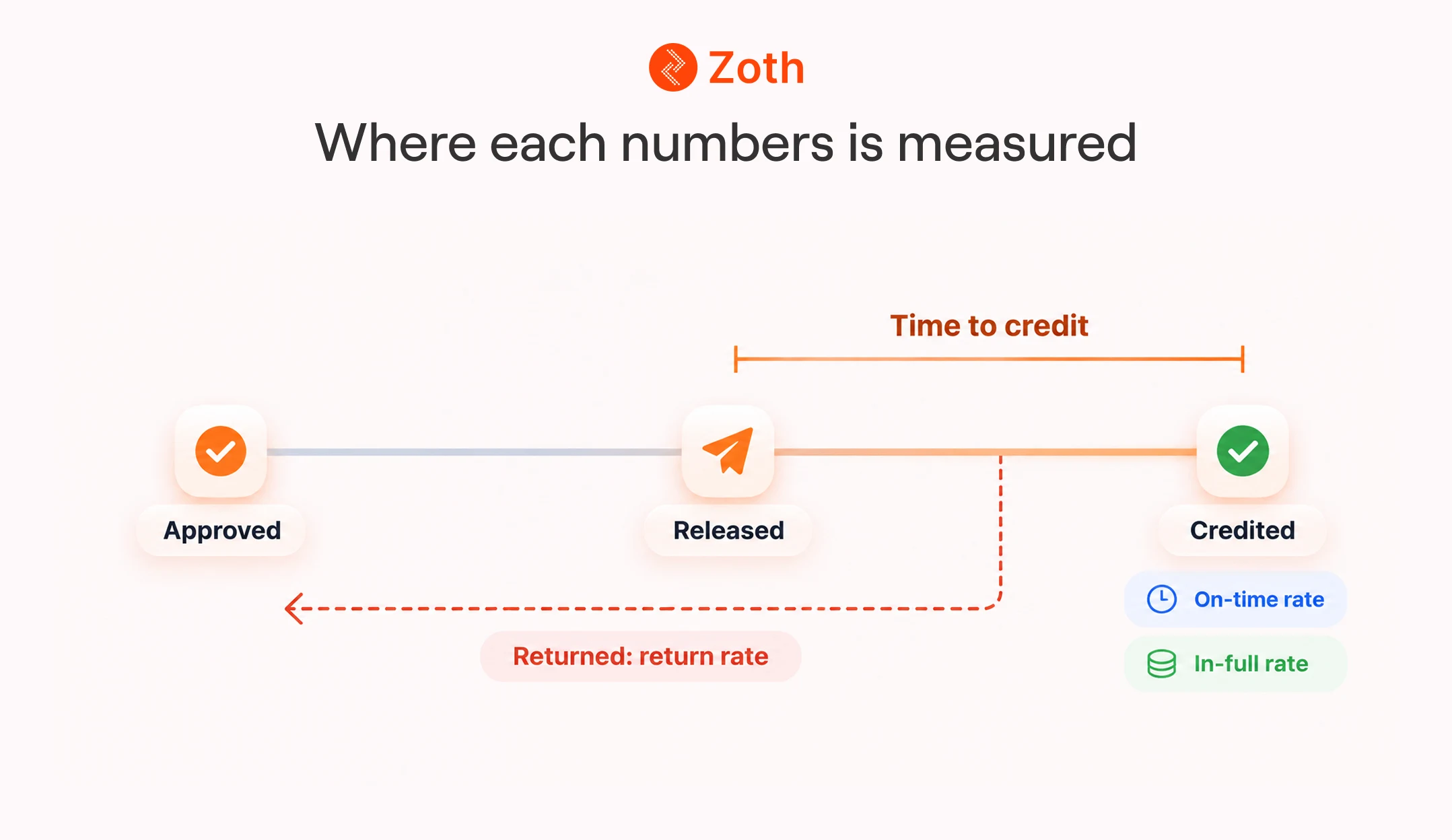
Time to credit is the elapsed time from the moment a payment is released to the moment the recipient's account is credited.
Why reliable international payments are hard to see
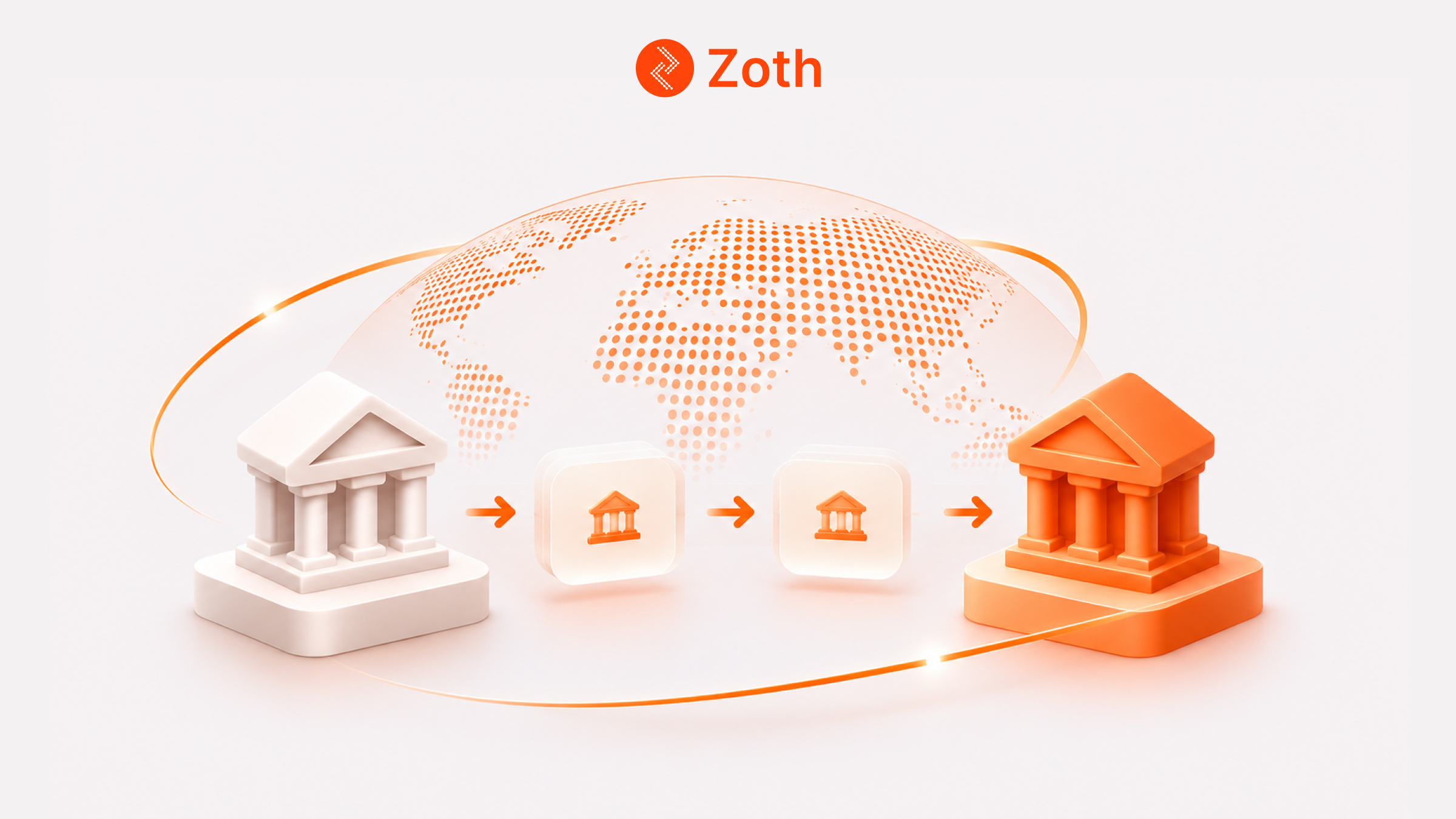
Most payment reporting stops at "sent": the sending bank confirms that the instruction left, and the trail ends. Banks can still trace it: Swift gives every payment on its network a unique end-to-end transaction reference (UETR).
Under Swift's universal confirmations rule, the beneficiary bank must confirm when a payment is credited or rejected. That confirmation sits with the banks, not in the sender's finance system.
Regulators cannot see it either. The FSB states in its 2025 progress report that it has no data yet to measure how transparent banks are about payment status. The G20 transparency target asks providers to give payers status tracking and an expected delivery time. Measuring reliable international payments is still left to each business.
The four numbers behind reliable international payments
Each number answers one question the recipient would ask.
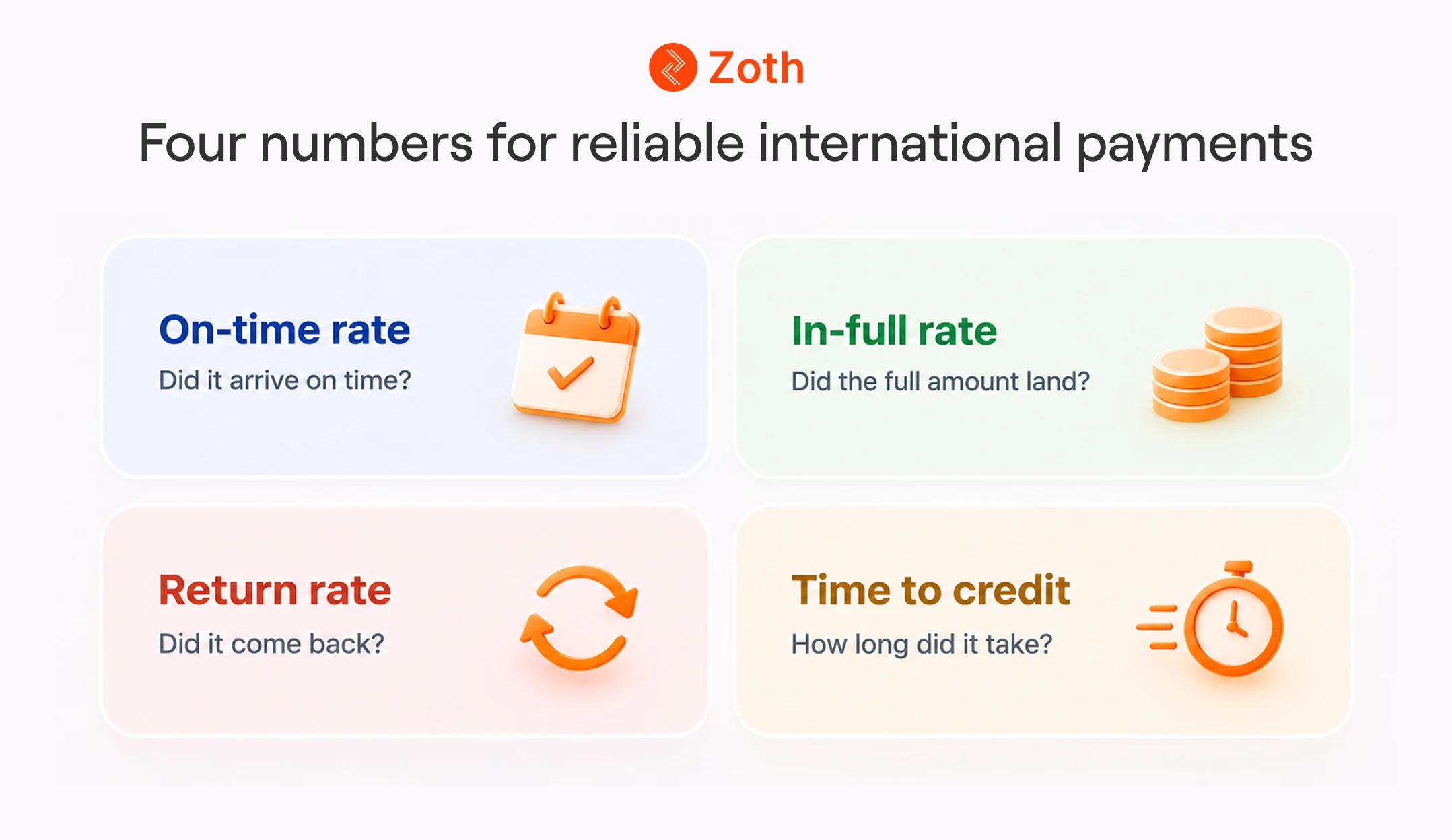
On-time rate
The share of payments credited by the date the provider quoted at approval.
On-time rate = payments credited by the quoted date ÷ payments sent
A payment with no quoted date cannot be on time. The first test of reliable international payments is whether the provider commits to a date before release.
In-full rate
The share of credited payments where the recipient received the amount quoted before approval.
In-full rate = payments credited at the quoted amount ÷ payments credited
Fees deducted along the way show up here as short payments, and the supplier chases the gap as an unpaid invoice.
Return rate
The share of payments rejected or returned after release.
Return rate = payments rejected or returned ÷ payments sent
In a 2022 analysis, Swift found that 72% of payment exceptions on its network came from formatting errors, account issues and invalid data. Most returns start with the beneficiary record, not the payment network. Who owns the fix once a payment comes back is covered in the compliance burden guide.
Time to credit
Time to credit = credit timestamp − release timestamp, in calendar hours
A finance team reports the median and the slowest 5% of payments per corridor. An average hides the worst cases: one supplier paid ten days late does more damage than a day saved on the median. For cut-offs and weekends, the usual causes of delay, see why payouts take days.
Payment success rate is one number, not four
A provider's payment success rate counts payments that arrived. It does not show whether they arrived on time, in full or at the first attempt. A payment returned, corrected and re-sent can still count as a success.
Three questions make any published success figure comparable:
- Is the denominator every payment instructed, or only those that passed screening?
- Does it count first-attempt success, or success after retries?
- Which period and which corridors does it cover?
A figure that answers all three is the starting point for reliable international payments, not the whole analysis.
How to build a reliability scorecard
Five steps turn reliable international payments from an impression into a monthly report.
- Choose three corridors. Start with the corridors carrying the most payments by count, not value.
- Record four timestamps. Log approval, release and credit for every payment, and the return date where one occurs.
- Store the quote. Keep the quoted date and recipient amount at approval, so every payment has a benchmark.
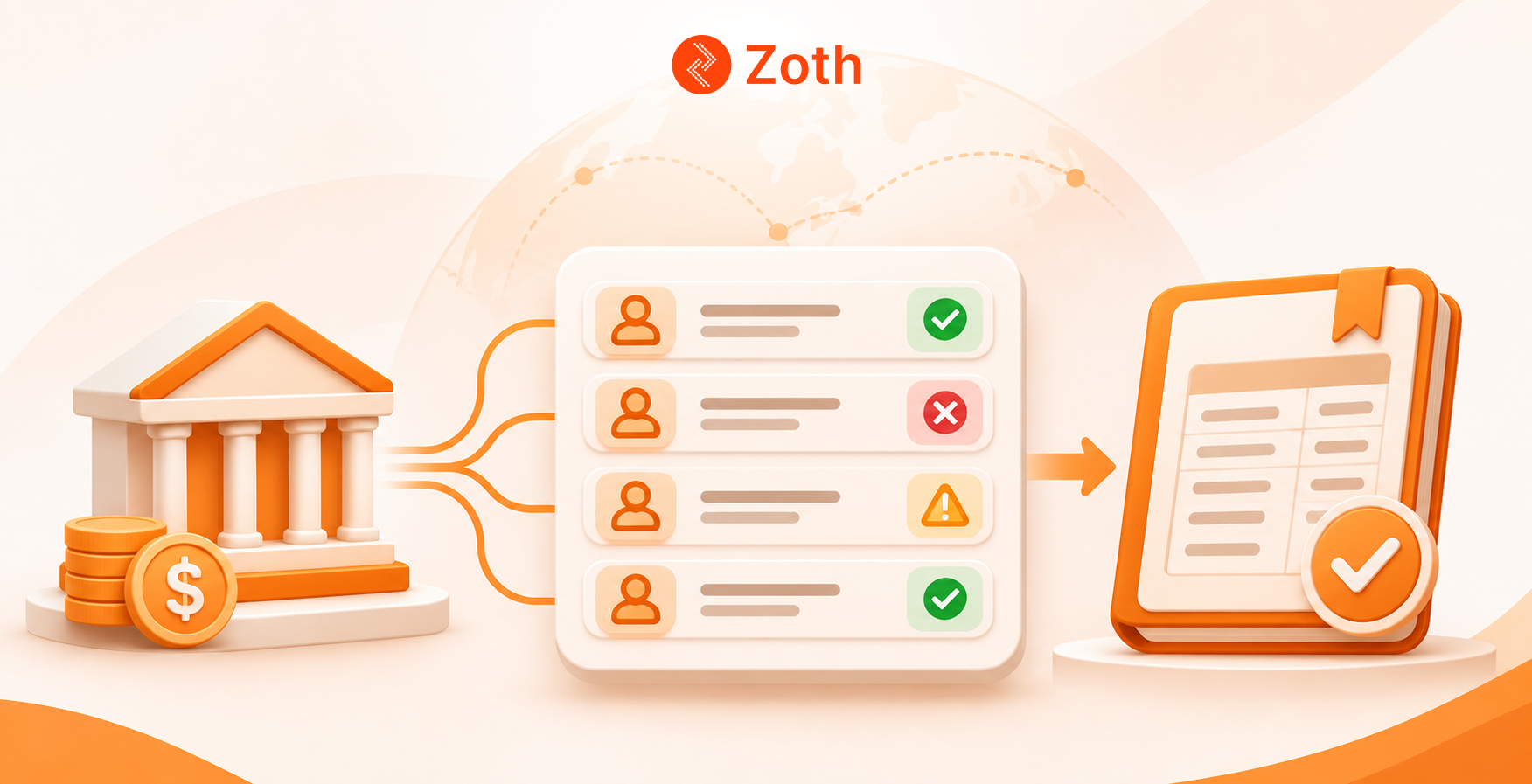
- Tag every return. Record the reason and correct the beneficiary record before the payment is re-sent.
- Ask for the same four numbers. Request all four per corridor from each provider, in writing.
What reliable international payments are worth to a CFO
A CFO values reliable international payments per corridor on four lines.
| ROI line | How the CFO measures it | What Zoth Payments Limited changes |
|---|---|---|
| Rework avoided | Returns avoided a year × hours per return × hourly cost | Beneficiary details captured once, reused, and screened on every payout |
| Short payments avoided | Short-paid payouts a year × cost to settle each balance | One stated rate and recipient amount, quoted before approval |
| Capital released | Annual payout value × days of credit time saved ÷ 365 × cost of capital | No correspondent chain on the payout leg |
| Supplier terms kept | Late payouts avoided a year × late fee or lost discount per payout | Every payout tracked, with records exportable |
Annual return per corridor = rework avoided + short payments avoided + capital released + supplier terms kept
Take an illustrative corridor carrying 500 payouts a month. Cutting its return rate from 3% to 1% avoids 120 returns a year. At three hours per return and $50 an hour, the first line alone is worth $18,000 a year.
Reliable international payments with Zoth Payments Limited
Zoth Payments Limited runs zPayments and is registered with FINTRAC as a money services business (registration number C10001622), which is a registration rather than a licence. Businesses fund each payout from their own wallet, and Zoth holds no client balance. Value moves on stablecoin rails and lands in local currency through regulated payout partners in each corridor. Every payment is screened, and sender and recipient details travel with each transfer.
Zoth Payments Limited publishes a 99.1% payout success rate. The platform tracks every payout and keeps exportable records for reconciliation, which a scorecard for reliable international payments can draw on.
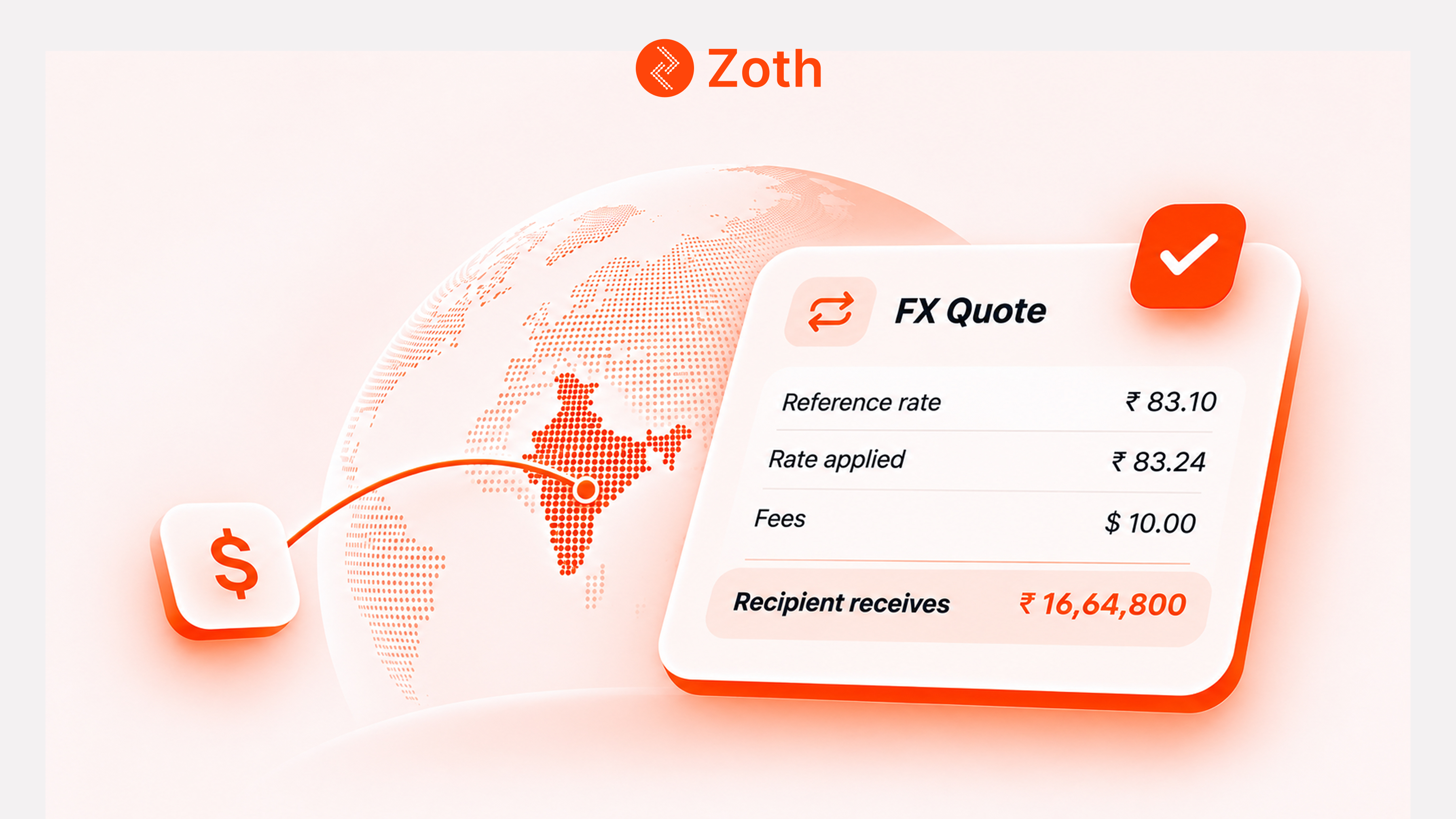
The in-full rate needs one benchmark: the amount the recipient was quoted. zFX, Zoth Payments Limited's live rate calculator, shows the live rate and an indicative recipient amount for a chosen corridor and amount. The final amount is confirmed before each payout is approved. Last month's largest supplier payment, entered in zFX, gives the amount the next payout should match.
Running payouts across emerging markets? Review your payout reliability with an international payment specialist at Zoth Payments Limited, today.
Regulatory Disclosures & Mandatory Risk Notices
Disclaimer: This article is provided for informational and educational purposes only and does not constitute financial, legal, tax or investment advice.
Service Availability & Compliance: Zoth Payments Limited is registered with FINTRAC as a money services business. Local-currency payouts are delivered through regulated payout partners, subject to applicable local laws. All transactions remain subject to identity verification (KYC/KYB), anti-money laundering (AML) monitoring, sanctions screening and the FATF Travel Rule. Submission of a payout does not guarantee its execution or timing, and exchange rates, payout amounts, fees and settlement times may vary.
Digital Asset Risk Notice: Stablecoins and digital assets carry inherent risks, including market volatility, potential de-pegging, smart contract vulnerabilities, liquidity limitations and changing regulatory frameworks. Digital assets are not legal tender in most jurisdictions and may not be backed by government deposit insurance (e.g., FDIC, CDIC).
Frequently asked questions
What makes international payments reliable?
Reliable international payments arrive on the promised date, in the quoted amount, without rejection or return. Four numbers measure them: on-time rate, in-full rate, return rate and time to credit.
How is a payment success rate calculated?
Payments credited ÷ payments sent, for a stated period and corridor, with first attempts and retries counted separately.
What causes most returned international payments?
Data. In a 2022 analysis, Swift traced 72% of exceptions on its network to formatting errors, account issues and invalid data.
Should time to credit be measured in business days or calendar days?
Calendar time, because that is how the recipient experiences the wait. The median and the slowest 5% of payments per corridor give the clearest picture.
Which corridors should a finance team measure first?
The three with the most payments by count, since returns and late payments rise with volume, not value.