Cross-Border Payouts for Marketplaces: Paying Sellers Abroad
Key highlights
- Cross-border payouts for marketplaces are high-count, low-value payments to a payee population the platform onboards itself.
- Visa research found 68% of US marketplace sellers had missed a payment obligation because of a late payout.
- World Bank data puts FX margin at 1.40 of 4.52 percentage points on the US-Philippines corridor.
- Percentage-of-value pricing breaks on small tickets; per-payout pricing decides which seller books are servable.
- A payout is finished only when the seller can account for it locally.
A marketplace pays more people, in more countries, more often than almost any business of its size. Three terms define the work.
Cross-border payouts for marketplaces are the payments a platform sends from its own funds to sellers, vendors and contractors in other countries, on a cycle the platform sets.
Seller payouts are the net amount owed to one seller once platform fees, refunds and adjustments are applied to gross sales.
A payout run is one execution of that cycle: one funding event resolving into thousands of deliveries.
That asymmetry is what makes cross-border payouts for marketplaces a different problem from paying staff or suppliers.
What do cross-border payouts for marketplaces involve?
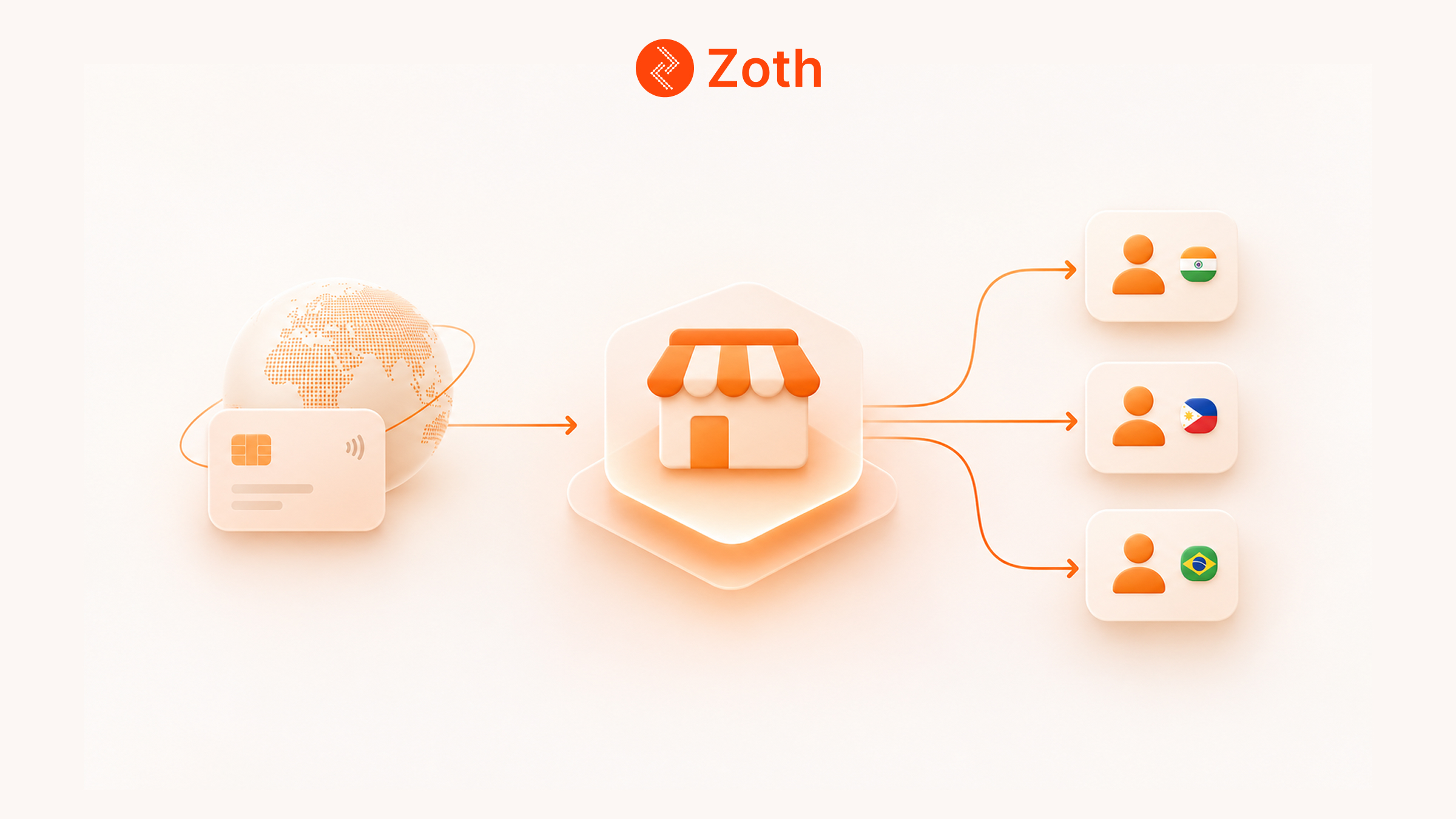
The platform is the payer of record. Buyers pay the marketplace, it holds the balance, and it releases funds to sellers on its own terms. The amount, the timing and the record of each release sit with the platform, not the buyer.
Three legs sit inside one business: collection from buyers, custody between sale and release, and disbursement to the seller. Cross-border payouts for marketplaces are the third, and the one the seller experiences.
A stablecoin payout explains how that leg is built.
Why do seller payouts differ from payroll and supplier payments?
Payroll pays a known population under contract, usually one entity per country. Supplier payments go to a contracted counterparty against an invoice. Both populations are closed, and terms are negotiated before the first payment moves; the payroll payouts checklist covers that ground.
Seller payouts invert those properties. The population is open, self-onboarded and long-tailed. Amounts are small and vary every cycle. Nothing was negotiated: the seller accepted standard terms at sign-up. The payee is a customer, and customers leave.
That makes cross-border payouts for marketplaces a product feature, not a back-office function. In Visa's 2020 survey of 750 US marketplace sellers, 68% had missed or delayed a payment obligation of their own because a payout arrived late. Those sellers do not raise tickets; they list elsewhere.
Where do cross-border payouts for marketplaces break?
Four failure points recur, and none appear in a payroll run.
Payout details the destination rejects
Sellers enter their own account details, often in a second language and an unfamiliar format. The payment goes out, is rejected days later, and returns unexplained.
Limits set by the receiving institution
Accounts in emerging markets cap what they may receive per period. The platform neither sets those caps nor sees them, and splitting the amount rarely helps: the parts share one limit.
Holds, refunds and clawbacks after release
A refund landing after a payout leaves a negative balance where recovery is slow. Hold periods manage that risk, and every day of hold finances the platform at the seller’s expense.
One sale, several payees
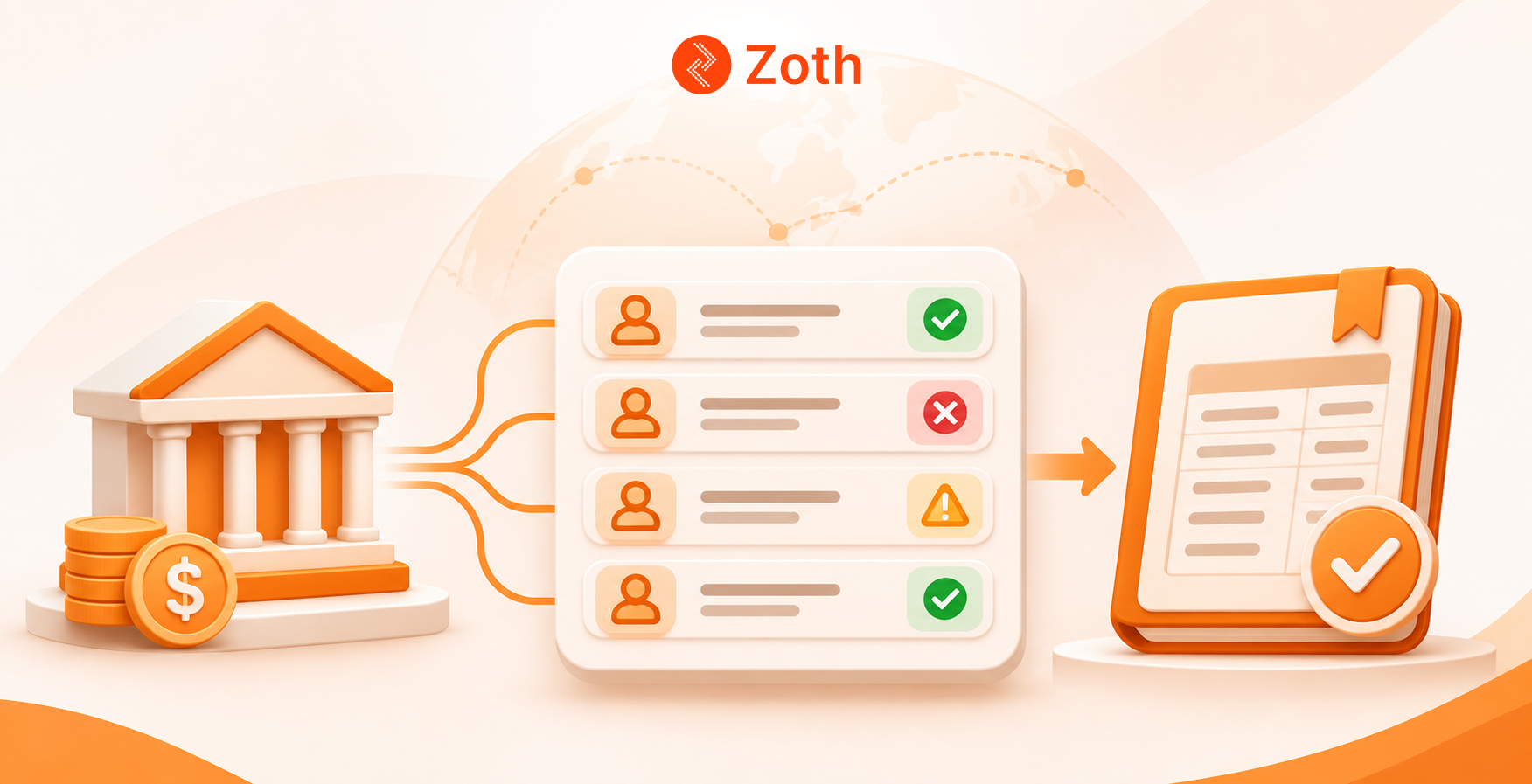
One buyer transaction often splits across several sellers, a shipper and the platform's fee. The split must survive into the ledger, or month-end reconciliation becomes manual.
Each failure costs twice: rework inside the payments team, and seller confidence. Sellers who lose confidence take buyers off-platform.
What does the seller need on the other side of the border?
Cross-border payouts for marketplaces deliver two things, and the destination format decides both.
The first is local currency. Where a payout lands changes what it costs: World Bank data shows receiving into a mobile wallet averaging 3.92% against 7.86% into a bank account. A marketplace offering one format sets a cost sellers absorb.
The second is a record the seller's own authorities accept. In several markets the funds must arrive through the banking channel with a purpose code, and the certificate that closes the entry is issued by the seller's bank on that fiat leg. An FIRC sets out the Indian case.
Terminating seller payouts in a format the seller cannot document does not finish the payment. It moves the problem to the payee.
What do cross-border payouts for marketplaces cost?
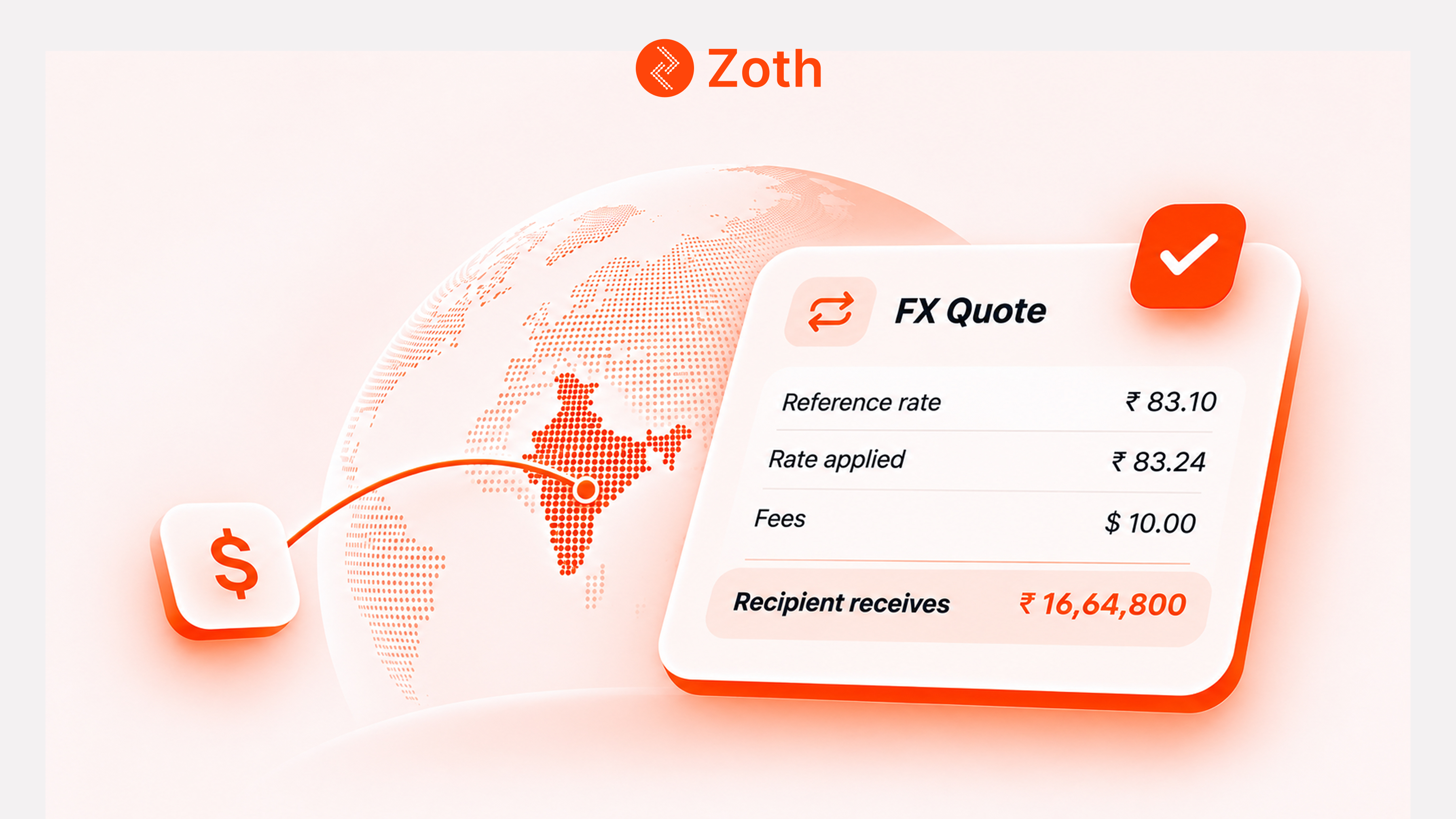
The headline fee is rarely the largest number. On the US-Philippines corridor, World Bank data puts the total cost of a $200 transfer at 4.52%, of which 1.40 percentage points is FX margin rather than the advertised charge. Bank rails show the same shape: the Reserve Bank of Australia put major-bank cost at 4% to 6% on A$1,000 transfers. FX spread explains that margin.
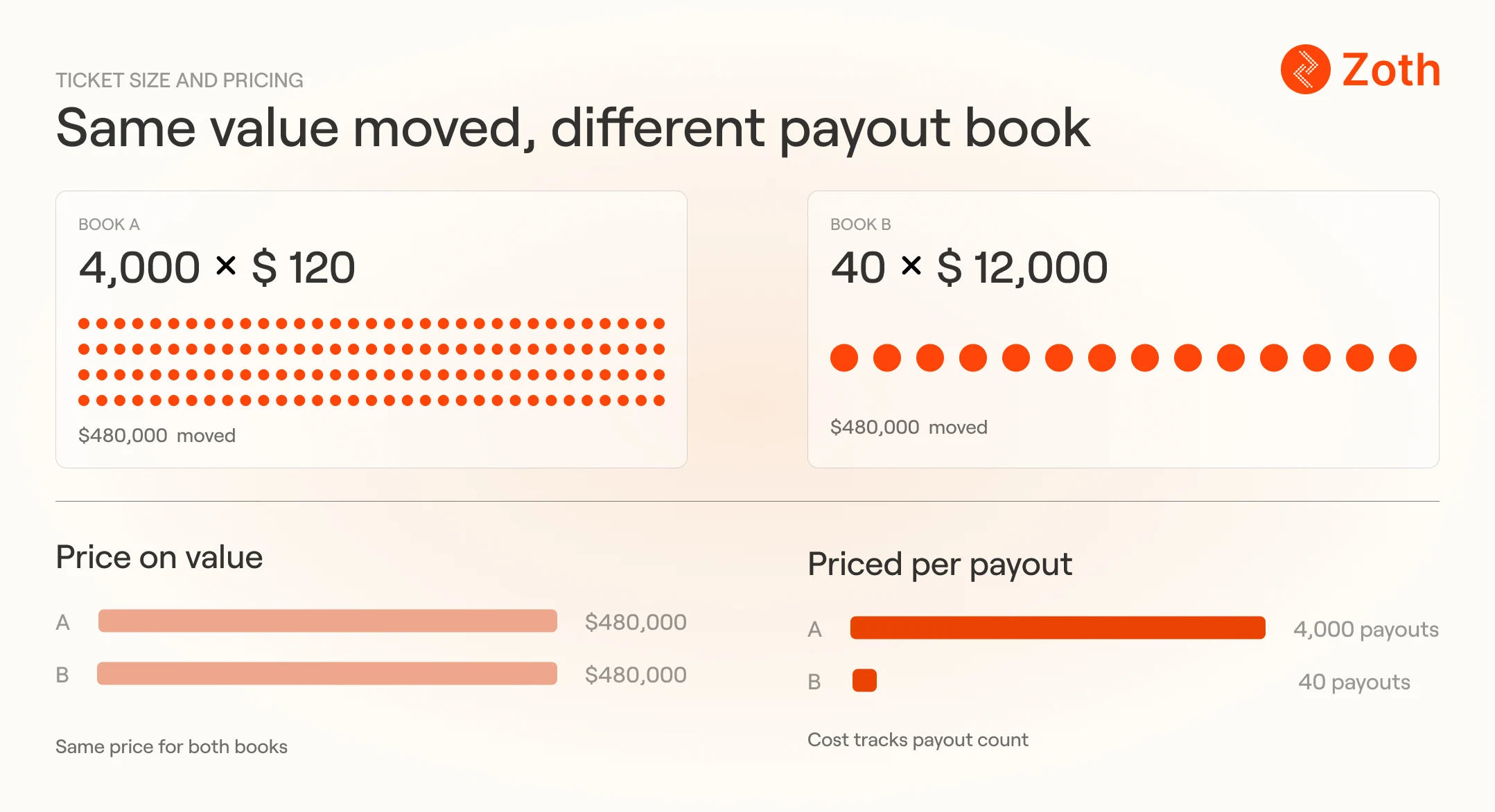
Ticket size then decides the economics of cross-border payouts for marketplaces. A marketplace paying sellers an average of $120 across 4,000 payouts moves $480,000. Priced as a percentage of value, that book costs the same to run as 40 payouts of $12,000, though it carries a hundred times the load. Priced per payout, the long tail becomes servable.
zFX, Zoth Payments Limited's rate tool, shows the live rate for the amount being sent, in the corridor it is headed to, before the payment is instructed. That turns a quoted percentage into the figure the seller sees.
An ROI framework for cross-border payouts for marketplaces
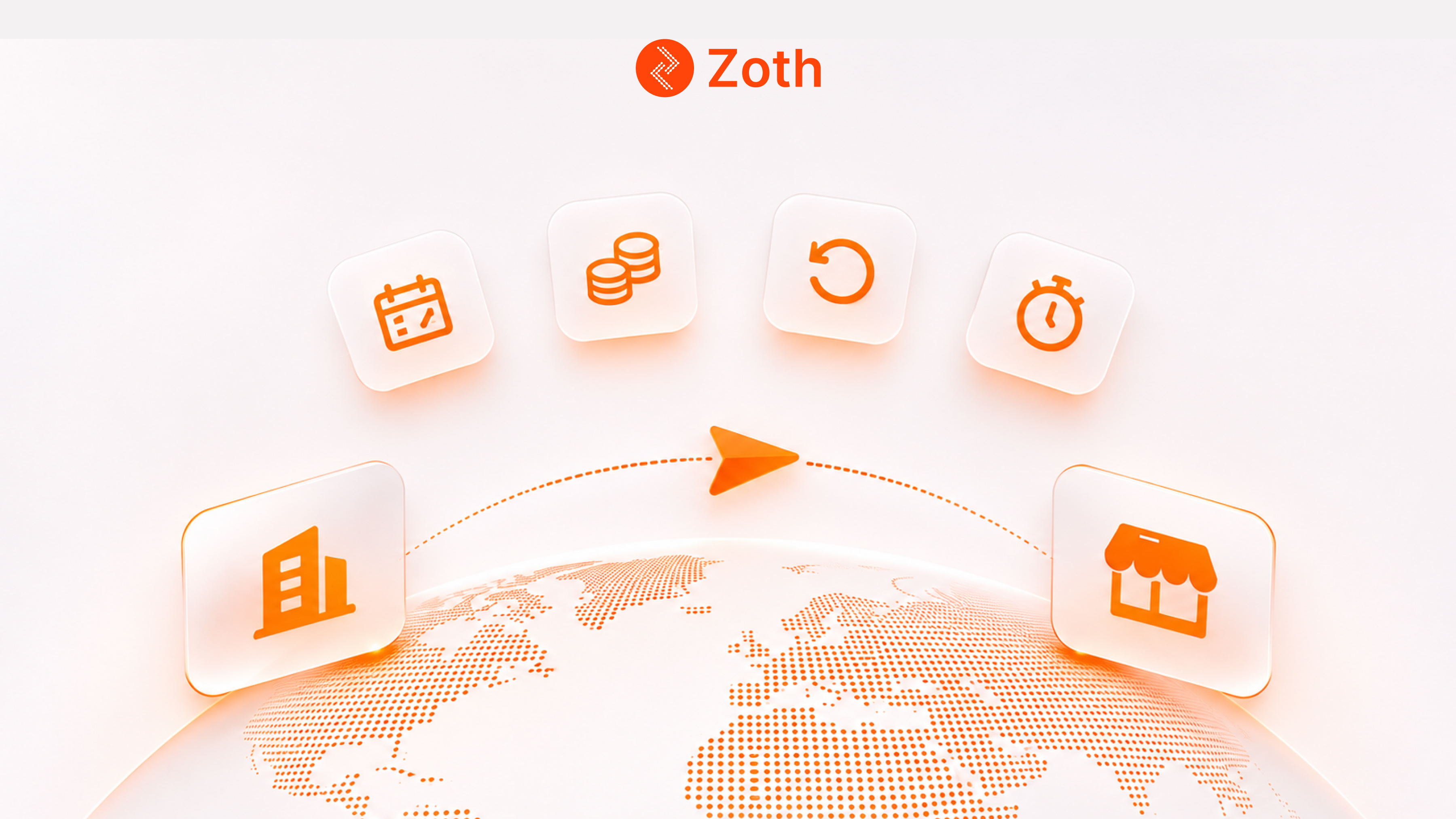
A payments team values a change of route per corridor on four lines, measured before the change and again three cycles later.
| Measure | How to value it | What Zoth Payments Limited changes |
|---|---|---|
| Landed amount per payout | Landed-amount difference ÷ amount sent × annual corridor volume | One stated rate, quoted before the run |
| Cost per payout | Difference in cost per payout × payouts a year | Per-payout pricing, not a share of value |
| Failed payout rate | Fewer failed payouts a year × hours to resolve each × hourly cost | Retries and returns in one ledger |
| Seller retention through three cycles | Additional sellers retained after three cycles × revenue per seller | Payout status visible to the seller |
Annual return per corridor = landed-amount gain + payout cost saved + rework cost saved + seller revenue retained
On $480,000 a month through one corridor, a landed-amount gain of 0.4 percentage points is worth $23,000 a year before the other three lines.
How zPayments handles cross-border payouts for marketplaces
Zoth Payments Limited supports cross-border payouts for marketplaces across 171 countries through bulk upload or API, reconciling to one ledger, with screening, Travel Rule and monitoring on the platform, not the sender. It is a FINTRAC-registered money services business.
Running payouts across emerging markets?
See the live rate for your amount and corridor before you instruct the next run. Start today with zPayments.
Frequently asked questions
What are cross-border payouts for marketplaces?
Payments a platform sends from its own funds to sellers and contractors abroad, on a cycle it sets. The platform is the payer of record.
How do seller payouts differ from paying contractors or staff?
The population is open, not closed. Sellers onboard themselves, amounts change every cycle, tickets are small, and the payee can leave for another platform.
Why do payouts fail after the platform has sent them?
Most often because the destination rejected the account details, the receiving institution applied an unseen limit, or a refund landed after release.
What should a marketplace measure when reviewing cross-border payouts for marketplaces?
Landed amount against amount instructed, cost per payout rather than a percentage, failed payout rate with hours to resolve, and seller retention through three cycles.